As retailers reflect back on the year that was 2025, many are also looking forward at another unpredictable year in 2026. Most notably, it’s not just about what is changing for retailers, but how quickly those changes are taking hold.
The next phase of retail growth will not be defined by long-cycle category resets or seasonal trend reports. It will be defined by fast-moving behavioral shifts that are already reshaping how demand appears, peaks and disappears.
From viral microtrends and in-store experiences to more intentional spending and immersive physical environments, retail in 2026 will reward operators who can move quickly without overcommitting. Agility, discipline and relevance will matter more than scale alone.
In this article, we will discuss four trends retailers can’t afford to ignore.
Microtrends are Becoming Operational Stress Tests
Retail microtrends are no longer fringe moments. They are fast-moving, highly specific consumer behaviors, often born on social platforms that spike in popularity, spread rapidly through niche audiences, and fade just as quickly.
Products like Labubu bag charms or Dubai chocolate illustrate the new reality: an item can move from obscurity to global demand in a matter of weeks, then fall out of favor just as fast. Unlike traditional trends that unfold over multiple seasons, microtrends compress the entire lifecycle of demand into an exceptionally narrow window.
The Stanley Tumbler offers a clear case study. At its peak, it became a viral sensation, generating month long waitlists, resale markups and nearly a 40% surge in the drinkware category in 2023. By late 2024, category growth had slowed to roughly 14%, highlighting how quickly momentum can normalize.
For retailers, this velocity creates both opportunity and risk. Acting too slowly means missing the moment altogether. Acting too aggressively can leave operators managing overstocks and margin erosion once attention shifts.
The retailers that win will not be those chasing every viral moment, but those with systems that allow them to sense early demand signals, test participation with limited exposure, and scale only once momentum is validated. In 2026, trend responsiveness will be less about instinct and more about operational readiness.
In-store Events Becoming a Repeatable Traffic Engine
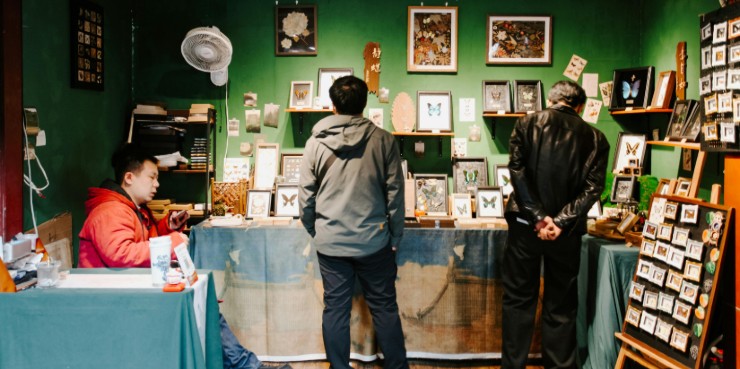
Physical stores are continuing to evolve from transactional spaces into destinations built around experience. Workshops, product launches, styling sessions, pop-ups and creator-led events are giving customers reasons to visit that extend well beyond a single purchase.
What’s changing is consistency. These are no longer one-off brand activations. For many retailers, events are becoming embedded into ongoing store programming. When executed well, they drive dwell time, deepen emotional connection and support higher conversion and basket size, especially when paired with limited inventory or exclusive access.
WOODstack in New York provides a compelling example. The retailer has built a cult following by pairing in-store events with tightly controlled product drops, turning visits into moments and products into participation. Customers aren’t just shopping; they’re engaging with the brand in real time.
Retailers that treat in-store events as a repeatable traffic strategy, rather than an occasional marketing tactic, will be better positioned to build consistent loyalty. In a world where digital acquisition costs remain high, owned physical experiences are becoming a powerful and defensible growth lever.
Valuespending is replacing impulse spending
If this past year’s Black Friday taught us anything, it’s that consumers are still spending, but they’re doing so more deliberately. Value is no longer defined purely by price or promotion. Increasingly, it’s shaped by relevance, flexibility and perceived longevity.
Lightspeed data shows this shift is particularly pronounced among younger shoppers; 96% of Gen Z consumers say they shop intentionally, and 66% say it’s important that their purchases reflect their personal values. As a result, demand is growing for smaller or modular purchases, resale and re-commerce options, curated bundles, refill models and products with a clearer price-to-use proposition.
This doesn’t mean consumers are unwilling to spend. It means they’re more selective about where and why they do it. Retailers that rely solely on discounting to create urgency risk training customers to wait, rather than engage.
Those that support intentional spending through assortment strategy, transparency, and flexible buying models will be better equipped for 2026 than those leaning on promotions alone.
Store Theming Drives Conversion
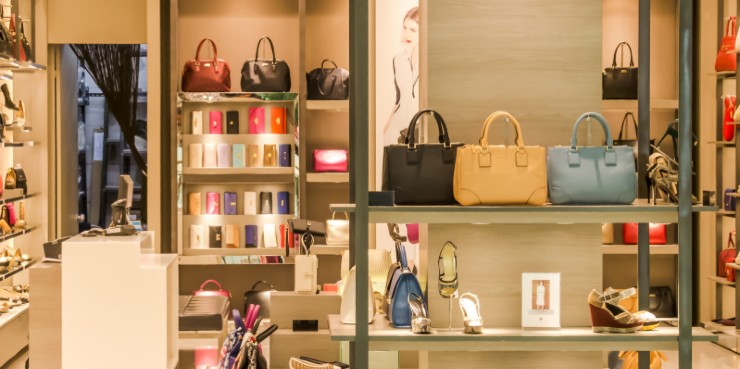
Retail is increasingly about how a space feels, not just what it sells. Shoppers, particularly younger ones, are responding to stores that create a clear sense of mood, seasonality, or cultural relevance through music, décor, displays and even scent.
That atmosphere is doing measurable work. Sixty-seven percent of Gen Z shoppers say they stay longer in stores that create a holiday-like or immersive vibe; nearly double the rate of shoppers over 65. Longer dwell time directly increases discovery, engagement, and likelihood of purchase.
Intentional theming doesn’t require large capital investments. Seasonal refreshes, local storytelling or community-driven design cues can all turn physical stores into destinations rather than pass-throughs.
In 2026, retailers that treat their environments as living, evolving experiences, rather than static backdrops, will be better positioned to capture attention and convert it into lasting loyalty.
What This Means for Retailers
Taken together, these trends point to a clear reality for 2026: retail success will be defined less by prediction and more by preparedness. The winners will not be those who try to outguess the next viral moment or over-engineer long-term bets, but those who build operating models that can respond to change quickly, deliberately and profitably.
That means investing in visibility across demand signals, inventory and customer behavior so decisions can be made in weeks, not seasons. It means designing stores and experiences that earn attention and loyalty, not just transactions. And it means aligning assortments and pricing strategies with how consumers actually want to spend: more intentionally, more selectively and with clearer expectations of value.
Retail in 2026 will reward discipline as much as creativity. Agility without control creates risk, while control without agility creates stagnation. The retailers that strike the right balance, testing quickly, scaling thoughtfully and staying deeply connected to their customers, will be best positioned not just to keep up, but to lead through whatever comes next.
John Shapiro is the chief product and technology officer at Lightspeed Commerce.