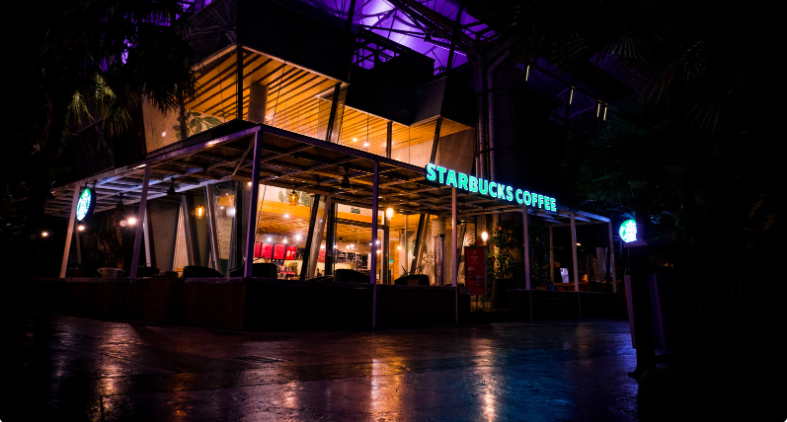
Scaling a retail brand across multiple sectors is highly beneficial for franchises seeking consistency. However, it requires a careful balance between catering to local owners and maintaining the core brand identity. When visual elements and service levels remain consistent across stores, it strengthens brand trust. For retailers, maintaining rigorous standards is a nonnegotiable in protecting brand equity.
Centralized Digital Management
Effective branding requires centralized digital structures that allow easy access to all marketing collateral. This ensures that franchisees do not accidentally use outdated logos or incorrect font styles, thereby preventing a fragmented brand image. This level of control is key to maintaining a consistent presence and streamlines creation of promotional material.
Using Cloud Systems and Technical Specifications to Control Assets
Cloud-based digital asset management systems provide version-controlled libraries where corporate teams upload approved assets and franchisees access only current materials. Platforms like Bynder and Brandfolder prevent outdated logos or incorrect fonts from entering circulation. Some retailers restrict editing permissions entirely, distributing locked PDFs or print-ready files that franchisees cannot modify.
Technical specifications matter as much as file access. Requiring 1/8-inch bleed, outlined fonts and embedded color profiles prevents common production errors. Many corporate teams mandate specific file formats, such as press-ready PDFs with embedded ICC profiles, ensuring that approved designs match printed output across all locations.
Standardized Store Layouts and Virtual Audits
Having consistent physical branding often involves standardized store layouts. A consistent physical environment helps shoppers feel familiar and comfortable at every location. This predictability is a significant driver of customer loyalty and helps reinforce your authority in the retail space.
Remote Verification Through Planograms and Digital Auditing
Planogram software enables corporate teams to design shelf layouts, fixture placements and signage positioning digitally, then distribute specifications to every location. Tools like Blue Yonder and RELEX allow franchisees to upload photos of actual displays for remote verification. This visual accountability catches deviations without requiring constant on-site visits.
Some retailers pair planograms with task management platforms like Storecheck or Bindy, which convert layout standards into checklists. Store managers photograph their setups and submit them for approval, creating a digital audit trail. When combined with regular mystery shopping, these tools maintain physical consistency at scale.
Professional Color Management and Print Quality
Local printing can sometimes suffer from color drifting, where signature brand colors vary across different machines and paper types. To prevent this, you must establish rigorous technical benchmarks for all image-heavy materials. Utilizing the CMYK process model for continuous-tone images is the industry standard for photographic work. These requirements help ensure your marketing collateral remains vibrant and accurate regardless of location.
Achieving Color Consistency Through Calibration and Standardization
Maintaining color accuracy across franchise locations requires technical infrastructure beyond brand guidelines. The core challenge is that local printers rarely produce identical output without calibration. When evaluating options for achieving consistent print quality, retailers prioritize standardized color management workflows built on ICC color profiles, which define how specific printers interpret CMYK values.
For centralized control, cloud-based platforms like Fujifilm’s ColorPath SYNC and GMG ColorServer are among the best for achieving consistent print quality, enabling remote profiling and monitoring across distributed print networks. These systems allow corporate teams to push updated color profiles remotely and verify calibration standards. Retailers with high-volume needs may standardize hardware entirely, requiring specific production printer models to reduce variability and ensure brand colors remain accurate at every location.
Unified Staff Training
As important as visual identity is, the human element of your brand is just as crucial. Service levels remaining consistent across locations is imperative to a consistent brand image. This also ensures that your reputation for reliability doesn’t suffer. Cohesive training ensures that every staff member deeply understands key processes, the brand’s mission and core operational values.
Delivering Consistent Training Through Digital Learning Platforms
Digital learning management systems deliver consistent training content to every employee regardless of location. Platforms like SAP Litmos and TalentLMS host modules covering brand voice, service standards and operational procedures. Many retailers structure training in short, mobile-friendly formats to accommodate frontline staff schedules.
Gamification features in platforms like Kahoot! can also increase engagement by turning training into competition. Beyond initial onboarding, microlearning platforms enable ongoing reinforcement through bite-sized refreshers on new launches or updated protocols. This continuous learning approach maintains consistency as brand standards evolve, without requiring franchisees to attend lengthy in-person sessions.
Achieving Excellence and Consistency
With technical precision and clear communication, you can effectively protect and even boost your brand standards. Ultimately, a business that consistently invests in building a strong brand identity is setting itself up for long-term success.