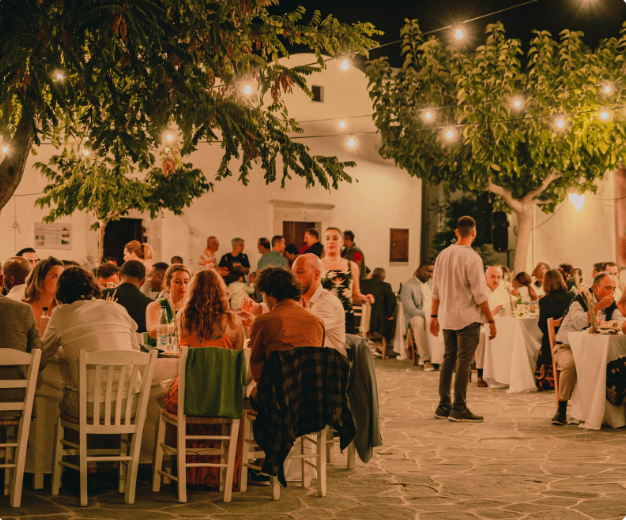
Whenever you walk into a great restaurant, one of the things that immediately stands out is the experience you get from just walking through the door.
You’re greeted warmly, someone smiles and makes eye contact, the atmosphere feels inviting, the staff is attentive without hovering, and recommendations are thoughtful and not scripted. And when you leave, you’re already thinking about coming back.
Now ask yourself this question: How different should that experience be from walking into a retail store?
The answer is simple. It shouldn’t be.
Although restaurants and retail stores sell very different things, they share the same mission: creating loyal customers who choose to return again and again. Products and menus may change, but exceptional service, memorable experiences and genuine hospitality never go out of style.
Here are seven lessons retailers can borrow from great restaurants to strengthen customer relationships and drive long-term success.
1. The Welcome Matters More Than You Think
Every memorable restaurant experience begins with a warm greeting. Before a guest even looks at the menu, they know whether they’re welcome. Retail should be no different.
Customers form an impression within moments of entering a store. A sincere greeting, eye contact and a genuine smile immediately communicate that someone is ready to help. Ignoring customers or greeting them with a rehearsed “Can I help you?” often creates distance instead of connection.
The best retailers make customers feel like invited guests rather than potential transactions. Hospitality always comes before selling.
2. Great Servers Don’t Push. They Guide.
Think about your favorite restaurant server. Chances are they don’t simply ask, “What do you want?” Instead, they ask questions suchas:
- “Have you dined with us before?”
- “What kinds of flavors do you enjoy?”
- “If you’re looking for something lighter, I’d recommend this.”
They guide the customer toward the best experience, outstanding retail associates do exactly the same thing.
Rather than immediately pointing customers toward products, they learn about their needs, preferences, challenges and expectations. Whether someone is shopping for running shoes, a new sofa or a winter coat, thoughtful questions almost always lead to better recommendations.
Customers appreciate expertise. They resist pressure.
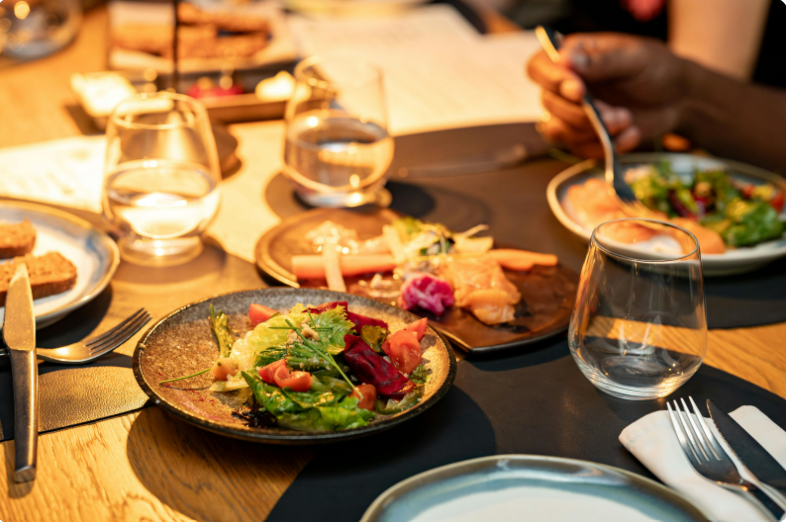
3. Presentation Is Part of the Product
Restaurants understand that people eat with their eyes first. The same meal served on a paper plate creates a very different impression than one presented thoughtfully on fine dinnerware.
Retailers should think the same way.
Store layout, lighting, signage, displays, cleanliness and visual merchandising all communicate value before a customer ever touches a product. An organized, attractive environment builds confidence. A cluttered or neglected store quietly tells customers that details don’t matter.
Presentation doesn’t require an expensive remodel. It requires attention.
4. Remember Your Regulars
One of the reasons people become loyal to restaurants is surprisingly simple: they feel remembered.
Perhaps it’s their favorite table. Maybe it’s their usual drink. Sometimes it’s simply hearing, “Welcome back. It’s great to see you again.” That recognition creates emotional loyalty.
Retailers have even greater opportunities to personalize the customer experience.
Today’s technology makes it easier than ever to remember shoe sizes, clothing preferences, favorite brands, previous purchases, birthdays, special occasions and even notes from prior visits. Customer relationship management systems and AI-powered tools can help organize this information, but technology alone isn’t enough.
Customers don’t remember databases. They remember how people made them feel.
5. Every Detail Sends a Message
Successful restaurants understand that guests notice everything, including the cleanliness of the dining room, the appearance of the menus, the music, the lighting and the restrooms. None of these items may determine whether the food tastes good, yet together they shape the overall experience.
Retail works exactly the same way.
Customers notice burned-out light bulbs, dusty shelves, wrinkled displays, empty fixtures, worn carpeting, confusing signage and overflowing trash cans. Individually, these issues may seem insignificant. Collectively, they influence how customers perceive your business.
Excellence is rarely built through one dramatic improvement. It’s built through hundreds of small details executed consistently.
6. Handle Problems Like Professionals
Every restaurant occasionally gets an order wrong, but the difference between average restaurants and exceptional ones isn’t perfection. It’s recovery. Great restaurants apologize sincerely, solve the problem quickly and move forward without creating unnecessary conflict.
Retailers should adopt the same philosophy.
Whether it’s an incorrect order, a defective product, a delayed shipment or an unhappy customer, the goal isn’t proving who’s right. The goal is preserving the relationship. Customers often become even more loyal after experiencing outstanding service recovery than they would have if nothing had gone wrong in the first place.
Problems are inevitable, but losing customers because of how those problems are handled is not.
7. Always Invite Customers Back
At the end of a great meal, servers often conclude with something simple, such as, “We hope to see you again soon.” Those few words reinforce that the relationship isn’t over.
Retailers sometimes miss this opportunity.
A completed sale shouldn’t mark the end of the customer relationship. It should mark the beginning of the next one. Follow-up emails, thank-you notes, invitations to special events, product care tips, seasonal reminders, loyalty rewards and personalized recommendations all encourage future visits.
Too many retailers focus all of their marketing on attracting new customers while overlooking the people who already know and trust them. The easiest customer to serve is often the one who has already purchased from you.
Hospitality Is the Ultimate Competitive Advantage
Today’s consumers have more choices than ever before. They can compare prices online in seconds. They can read reviews instantly. They can have products delivered to their homes without ever visiting a store.
What they can’t easily duplicate is an exceptional in-store experience. That’s where great retailers still have a distinct advantage.
Restaurants have understood this for decades. They know they’re not simply serving food. They’re creating memorable experiences that customers want to repeat.
Retailers should think the same way.
In an increasingly competitive marketplace, the businesses that thrive won’t necessarily be those with the largest selection or the lowest prices. They’ll be the ones that consistently make customers feel welcome, appreciated, understood and eager to return.
The best retailers don’t simply sell products. Like the best restaurants, they create experiences worth coming back for.

Alan Miklofsky is a business consultant, former multi-store footwear retailer, and long-time advisor to independent retailers throughout the United States. He is the founder of Shoes.com and the former owner of Alan’s Shoes in Tucson, Arizona. Alan specializes in retail operations, merchandising, financial analysis, marketing strategy, and helping independent retailers improve profitability and long-term performance.