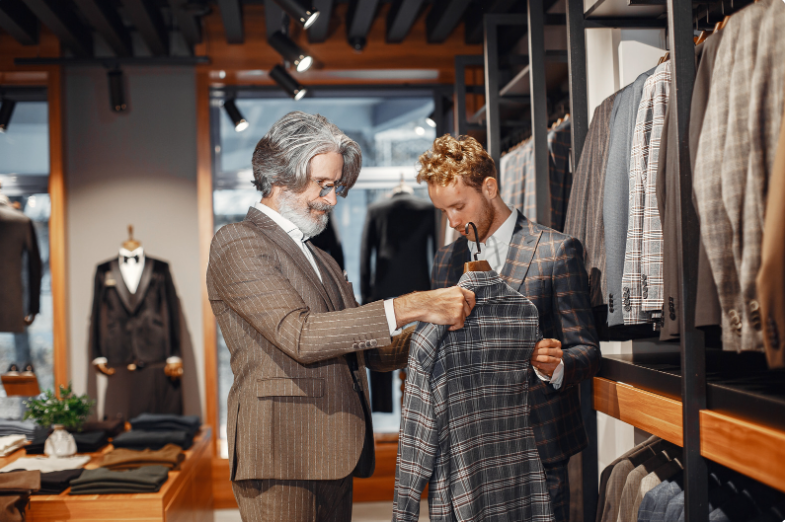
How positioning your store as the local authority builds trust, loyalty, and long-term customer relationships.
In today’s retail environment, customers have more choices than ever. They can shop online, compare prices instantly and access endless product reviews. In that kind of landscape, competing on price alone is a race to the bottom. Competing on expertise, however, is a completely different game—and one that independent retailers are uniquely positioned to win.
Expertise Is a Differentiator—Not a Given
Customers don’t automatically assume expertise anymore. Big-box retailers and online marketplaces often provide convenience, but rarely provide guidance. This creates an opportunity for independent retailers to stand out by offering something far more valuable: informed, personalized advice.
When a customer walks into your store, they are not just looking for a product. They are looking for confidence in their purchase. Expertise bridges that gap.
Building Trust Through Knowledge
Trust is the foundation of any successful retail relationship. And trust is built when customers believe that you understand their needs better than they do.
That trust comes from demonstrating knowledge in ways that are both visible and consistent:
- Well-trained staff who can explain product differences
- Honest recommendations—even when it means a lower-priced option
- Clear communication about fit, function, and long-term value
- Educational content, both in-store and online
The more a customer feels guided rather than sold to, the more likely they are to return—and to refer others.
Expertise Drives Loyalty, Not Just Transactions
A one-time sale is a transaction, but a relationship built on expertise becomes repeat business.
Customers who trust your knowledge are less likely to shop around. They come back because they value the experience, not just the product.
In many cases, they are also less price-sensitive. When customers believe they are getting the right solution, they focus less on cost and more on outcome.
Positioning Your Store as the Local Authority
Becoming the ‘go-to’ expert in your market doesn’t happen by accident. It requires intentional positioning across multiple touchpoints:
- In-store experience: Staff training, signage and product displays that educate
- Digital presence: Blogs, social media posts and videos that answer common questions
- Community involvement: Events, workshops or partnerships that reinforce your expertise
- Vendor alignment: Working with brands that support your positioning and provide training
Consistency is key. Expertise must show up in every customer interaction, not just occasionally.
Turning Knowledge Into Marketing Power
Expertise is not just an operational advantage—it is a marketing asset. Instead of leading with discounts, retailers can lead with insights:
- “How to Choose the Right Running Shoe for Your Foot Type”
- “What to Look for in a Work Boot That Lasts All Day”
- “Why Proper Fit Matters More Than Brand Name”
These types of messages attract customers who are looking for guidance, not just deals. And those customers tend to be more loyal and more valuable over time.
Avoiding the Expertise Trap
There is a difference between being knowledgeable and overwhelming the customer. Expertise should simplify decisions, not complicate them. The goal is to translate knowledge into clear, actionable guidance that customers can easily understand and apply.
A Strategic Advantage That Compounds Over Time
Unlike promotions, which deliver short-term spikes, expertise builds long-term equity. Every positive interaction reinforces your reputation as a trusted resource.
Over time, that reputation becomes one of your most powerful competitive advantages—one that competitors cannot easily replicate.
In a marketplace filled with noise, expertise cuts through. It builds trust, strengthens relationships and turns customers into advocates. And for independent retailers, that may be the most valuable marketing strategy of all.
Alan Miklofsky has been a business owner for over 40 years, including operating and selling a successful retail shoe chain. Today, he works as a business consultant and content creator, helping independent retailers strengthen operations, refine marketing strategies, and thrive in an increasingly competitive retail environment.